
Humane Bat Removal From Your Attic: A Complete Legal and Safety Guide
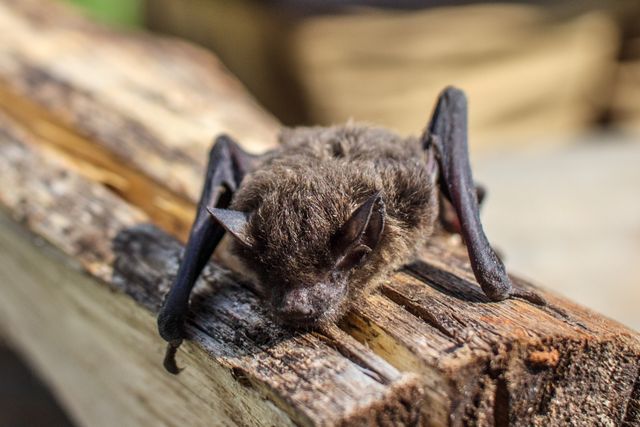
That scratching sound above the bedroom ceiling at three in the morning never gets easier to ignore. Bats roosting in residential attics rank among the most common wildlife conflicts homeowners face across the United States, and the removal process carries legal weight that most people don’t realize until they’re mid-project and a conservation officer is asking questions.
Why Bats Choose Your Attic Over a Cave
Attics mimic the warm, dark, sheltered conditions bats evolved to seek out. A half-inch gap along a soffit vent or a cracked fascia board is an open invitation. Big brown bats and little brown bats, two of the most widespread North American species, gravitate toward attics because of the stable temperatures that protect their colonies during maternity season. A single roosting site can host anywhere from a dozen individuals to several hundred, depending on the species and local conditions.
The insulation in most attics holds heat well into the evening, which is exactly what nursing mothers need to keep pups warm between feeding flights. Homeowners who discover guano accumulation along one wall of the attic usually find the entry gap directly above on the exterior roofline.
The Legal Calendar You Need to Follow
Federal law protects several bat species under the Endangered Species Act, and most states layer their own protections on top of that. The critical window falls between May and August in the majority of states. During this period, flightless bat pups depend entirely on their mothers. Sealing entry points during maternity season traps pups inside, where they die slowly and create a secondary health hazard as carcasses decompose in wall cavities and insulation.
Outside of the protected window, typically September through April, exclusion work is legal in most jurisdictions. Check with your state wildlife agency before starting any removal project, because regional variations exist. Some southeastern states extend the maternity window into September depending on species-specific breeding timelines.
One-Way Exclusion Valves: The Humane Standard
The most effective and widely endorsed humane removal method uses one-way exclusion devices, sometimes called check valves or bat cones. These simple tubes or mesh funnels mount over the entry point and allow bats to crawl out during their evening foraging flights but prevent re-entry. The concept relies on bat behavior rather than force. Bats exit headfirst through a tapered opening and cannot reverse back through it.
Installation requires careful identification of every entry and exit point on the structure. Seal all gaps except the primary entry with caulk, steel wool, or expanding foam. Mount the exclusion device over the remaining gap and leave it in place for five to seven consecutive nights. After confirming the colony has vacated, remove the device and permanently seal the final opening.
Signs That a Colony Has Fully Departed
Rushing the seal-up phase creates the exact problem you’re trying to avoid. After the exclusion device has been in place for at least five nights, inspect the attic at dusk with a flashlight. Look for clustered bats on rafters, listen for chirping or squeaking, and check for fresh guano deposits. If the attic is silent and the droppings appear dried and aged, the colony has likely moved on. Many professionals recommend a second inspection seven days after device removal to confirm no stragglers returned through a gap that was missed.
Understanding humane removal tools designed specifically for bats can save hours of trial and error during this process.
Guano Cleanup and Health Precautions
Bat droppings harbor Histoplasma capsulatum, the fungus responsible for histoplasmosis. This lung infection can become serious in people with compromised immune systems, young children, and the elderly. Cleaning a large accumulation without respiratory protection is genuinely dangerous.
- Wear an N95 respirator mask, goggles, and disposable gloves before entering a contaminated attic space.
- Mist guano deposits with water before disturbing them to reduce airborne fungal spore dispersal.
- Bag all contaminated insulation in heavy-duty contractor bags and dispose of them according to local waste regulations.
- Treat affected surfaces with an enzyme-based cleaner rather than bleach, which doesn’t fully neutralize the fungal spores embedded in porous wood.
Large colonies can deposit enough guano over several seasons to compromise ceiling drywall. If you notice staining or sagging on the ceiling below the attic, the accumulation has probably reached a point where professional remediation is worth the cost.
Preventing Bats From Coming Back
Exclusion without follow-up repair is temporary at best. Bats return to familiar roosting sites year after year, and a colony evicted in September will test the same entry points the following spring. Seal every gap larger than three-eighths of an inch along the roofline, soffit vents, gable vents, and where utility lines enter the structure. Ridge vent caps should sit flush with no lifted sections. Chimney caps with mesh screening block another common entry route, which is exactly the situation covered in our guide on chimney animal removal.
Some homeowners install bat houses on nearby trees to give displaced colonies an alternative roost. This approach benefits the local ecosystem, since a single bat consumes hundreds of mosquitoes per hour during summer foraging. The bats get a home, and your attic stays empty.
When the Situation Calls for Professional Help
Colonies exceeding fifty individuals, attics with severe structural damage from guano accumulation, and any situation involving a federally listed endangered species all warrant professional intervention. Licensed wildlife control operators carry liability coverage and understand the permitting requirements that vary by state. The article on when a professional is necessary breaks down the specific scenarios where DIY removal crosses into territory that’s better handled by trained specialists.
Bats pollinate crops, control insect populations, and contribute to healthy ecosystems in ways that most people never see. Removing them humanely isn’t just a legal obligation. It’s the right call for a species that’s quietly doing a lot of heavy lifting for the environment.