
Bat Colonies in Residential Attics: Georgia Laws and Safe Exclusion Methods
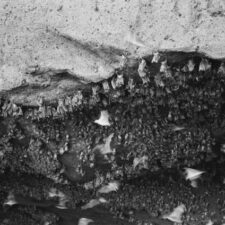
Discovering bats in your attic is unsettling. The scratching and chirping, the smell of accumulated guano, and the knowledge that dozens — sometimes hundreds — of flying mammals are roosting inches above your bedroom ceiling understandably prompts an urgent desire to act. But bat removal in Georgia involves legal restrictions and timing constraints that make it very different from dealing with raccoons or squirrels. Acting too quickly, or at the wrong time of year, can land you in legal trouble and actually make the problem worse.
Georgia’s Bat Species and Their Legal Protections
Georgia is home to 16 bat species, and all of them are protected under state wildlife regulations. Several species — including the Indiana bat, the northern long-eared bat, and the gray bat — carry additional federal protections under the Endangered Species Act. It is illegal to kill, poison, or harm any bat species in Georgia, and doing so can result in substantial fines.
What Georgia Law Says About Bat Removal
You may exclude bats from your home using humane, non-lethal methods. You may not trap, poison, fumigate, or use adhesive traps on bats. Exclusion must be timed to avoid the maternity season (May through August in most of Georgia), when flightless pups would be sealed inside and die. The Georgia Department of Natural Resources recommends performing exclusions between September and April.
The maternity season restriction is the most critical legal and practical consideration. Female bats gather in maternity colonies in spring to give birth and raise their pups. A typical colony in a residential attic may contain 20 to 200 individuals. Sealing entry points during this period traps flightless pups inside your attic, where they die — creating a decomposition and biohazard problem that dwarfs the original bat issue.
Identifying a Bat Colony in Your Attic
The most reliable way to confirm a bat colony is to watch your roofline at dusk. Bats emerge shortly after sunset to feed, and even a small colony produces a visible stream of bats leaving through one or two exit points. Common exit locations include gaps at the ridge vent, openings where soffit meets fascia, unsealed gable vents, and gaps around chimney flashing.
Inside the attic, bat guano is the definitive indicator. Bat droppings are small, dark, and pellet-shaped, similar to mouse droppings but with a key difference: bat guano crumbles to a fine powder when pressed, revealing the shiny fragments of insect exoskeletons. Mouse droppings remain firm. Guano accumulations also produce a distinctive musty, ammonia-like odor that intensifies in summer heat.
The Exclusion Process
Bat exclusion follows the same one-way principle used for squirrel removal, but the devices and techniques are species-specific. Bats can squeeze through openings as small as three-eighths of an inch, which means the sealing phase is far more demanding than it is for larger animals.
Step-by-Step Exclusion
Begin with a thorough inspection during daylight, identifying every potential opening along the roofline, eaves, and gable ends. Mark each point. At dusk, station yourself where you can watch the primary exit area and count the bats emerging. This gives you a rough colony size and confirms which openings are active.
Seal all secondary openings using caulk, steel wool, or expanding foam, depending on the size and location. Over the primary exit point, install a one-way exclusion device — typically a piece of polypropylene netting or a smooth PVC tube that allows bats to crawl out but prevents them from re-entering. Leave the exclusion device in place for a minimum of five to seven nights to ensure every bat has departed.
After the colony has fully vacated, remove the exclusion device and permanently seal the final opening. Inspect the attic for guano accumulation and assess whether professional cleanup is needed.
Why Bats Are Worth Protecting
A single little brown bat can eat up to 1,000 mosquitoes in an hour. A colony of 200 bats roosting in your attic was consuming an enormous volume of insects every night — including mosquitoes, moths, beetles, and agricultural pests. The economic value of insect suppression by bats in the United States has been estimated in the billions of dollars annually.
Rather than viewing bats as invaders, consider offering them an alternative home. Installing a bat house on your property gives evicted bats a place to roost without re-entering your attic. Mounted 12 to 15 feet high on a pole or building face with a southern exposure, a well-designed bat house can attract a colony within one to two seasons — giving you the insect-control benefits without the attic damage.