Tag Archives: georgia wildlife

Bat Colonies in Residential Attics: Georgia Laws and Safe Exclusion Methods
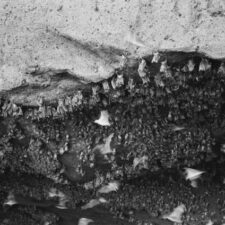
Bat flying at dusk near a residential roofline

Discovering bats in your attic is unsettling. The scratching and chirping, the smell of accumulated guano, and the knowledge that dozens — sometimes hundreds — of flying mammals are roosting inches above your bedroom ceiling understandably prompts an urgent desire to act. But bat removal in Georgia involves legal restrictions and timing constraints that make it very different from dealing with raccoons or squirrels. Acting too quickly, or at the wrong time of year, can land you in legal trouble and actually make the problem worse.

Georgia’s Bat Species and Their Legal Protections

Georgia is home to 16 bat species, and all of them are protected under state wildlife regulations. Several species — including the Indiana bat, the northern long-eared bat, and the gray bat — carry additional federal protections under the Endangered Species Act. It is illegal to kill, poison, or harm any bat species in Georgia, and doing so can result in substantial fines.

The maternity season restriction is the most critical legal and practical consideration. Female bats gather in maternity colonies in spring to give birth and raise their pups. A typical colony in a residential attic may contain 20 to 200 individuals. Sealing entry points during this period traps flightless pups inside your attic, where they die — creating a decomposition and biohazard problem that dwarfs the original bat issue.

Identifying a Bat Colony in Your Attic

The most reliable way to confirm a bat colony is to watch your roofline at dusk. Bats emerge shortly after sunset to feed, and even a small colony produces a visible stream of bats leaving through one or two exit points. Common exit locations include gaps at the ridge vent, openings where soffit meets fascia, unsealed gable vents, and gaps around chimney flashing.

Residential roof showing soffit and fascia detail at dusk

Inside the attic, bat guano is the definitive indicator. Bat droppings are small, dark, and pellet-shaped, similar to mouse droppings but with a key difference: bat guano crumbles to a fine powder when pressed, revealing the shiny fragments of insect exoskeletons. Mouse droppings remain firm. Guano accumulations also produce a distinctive musty, ammonia-like odor that intensifies in summer heat.

The Exclusion Process

Bat exclusion follows the same one-way principle used for squirrel removal, but the devices and techniques are species-specific. Bats can squeeze through openings as small as three-eighths of an inch, which means the sealing phase is far more demanding than it is for larger animals.

Step-by-Step Exclusion

Begin with a thorough inspection during daylight, identifying every potential opening along the roofline, eaves, and gable ends. Mark each point. At dusk, station yourself where you can watch the primary exit area and count the bats emerging. This gives you a rough colony size and confirms which openings are active.

Seal all secondary openings using caulk, steel wool, or expanding foam, depending on the size and location. Over the primary exit point, install a one-way exclusion device — typically a piece of polypropylene netting or a smooth PVC tube that allows bats to crawl out but prevents them from re-entering. Leave the exclusion device in place for a minimum of five to seven nights to ensure every bat has departed.

After the colony has fully vacated, remove the exclusion device and permanently seal the final opening. Inspect the attic for guano accumulation and assess whether professional cleanup is needed.

Health hazard: Bat guano can harbor Histoplasma capsulatum, a fungus that causes histoplasmosis when airborne spores are inhaled. Disturbing a large guano accumulation without proper respiratory protection (a HEPA-rated respirator, not a dust mask) is a serious health risk. If guano accumulation covers more than a few square feet, professional remediation is strongly recommended.

Why Bats Are Worth Protecting

A single little brown bat can eat up to 1,000 mosquitoes in an hour. A colony of 200 bats roosting in your attic was consuming an enormous volume of insects every night — including mosquitoes, moths, beetles, and agricultural pests. The economic value of insect suppression by bats in the United States has been estimated in the billions of dollars annually.

Rather than viewing bats as invaders, consider offering them an alternative home. Installing a bat house on your property gives evicted bats a place to roost without re-entering your attic. Mounted 12 to 15 feet high on a pole or building face with a southern exposure, a well-designed bat house can attract a colony within one to two seasons — giving you the insect-control benefits without the attic damage.

Connecting the dots: Bats are one piece of a larger ecosystem that includes the raptors, opossums, and snakes that keep pest populations in check across Atlanta and the Southeast. Humane removal is not just about being kind to animals — it is about preserving the natural pest control infrastructure that protects your property, your garden, and your family’s health. Every species removed from the equation shifts the burden to the remaining players, and eventually the math stops working. Conservation and practical homeownership are not competing priorities. They are the same priority, viewed from different angles.

Why Opossums Under Your Porch Are Helping Your Yard More Than You Think

Virginia opossum on a wooden fence at night

The Virginia opossum has a public relations problem. With its ratlike tail, pointed face, and tendency to hiss when startled, it lands squarely in the “get it away from me” category for most homeowners. Opossums are the animals people call about when they want something gone — fast.

But the opossum is doing you a favor you did not ask for, and it is doing it for free. Before you decide to trap and relocate the one living under your porch, consider what you are actually losing.

The Tick Vacuum You Never Knew You Had

Opossums are meticulous groomers. They spend a substantial portion of their waking hours licking and cleaning their fur, and in the process they encounter — and eat — enormous numbers of ticks. Research from the Cary Institute of Ecosystem Studies estimated that a single opossum can consume roughly 5,000 ticks in a single season.

~5,000
Ticks consumed per opossum per season
95%
Tick kill rate via grooming
Very Low
Rabies risk due to low body temperature

In a state where Lyme disease, Rocky Mountain spotted fever, and ehrlichiosis are genuine public health concerns, having a resident tick predator in your yard is not a nuisance — it is a benefit. The opossum patrols your property at night, vacuuming up the ticks that would otherwise end up on your dog, your children, or you.

Opossums and Rabies: Clearing Up the Myth

One of the most persistent misconceptions about opossums is that they carry rabies. While any mammal can technically contract rabies, opossums are remarkably resistant to the virus. Their body temperature is unusually low for a mammal — typically between 94 and 97 degrees Fahrenheit — which creates an inhospitable environment for the rabies virus to replicate. Cases of rabies in opossums are extremely rare, far rarer than in raccoons, skunks, or bats.

The hissing, drooling, and swaying behavior that people mistake for rabies is actually a stress response. When an opossum feels cornered, it may bare its 50 teeth, drool, and sway — or it may “play dead,” going limp and secreting a foul-smelling fluid from its anal glands. Neither behavior indicates disease. Both are defense mechanisms that an animal with very poor eyesight and slow running speed has evolved as alternatives to fighting.

Opossum foraging in garden leaf litter at dusk

What Else Opossums Eat (and Why It Helps)

Beyond ticks, opossums are opportunistic omnivores with a diet that reads like a pest control wish list. They eat cockroaches, beetles, slugs, snails, mice, rats, carrion, and overripe fruit that would otherwise attract less welcome visitors. They also eat venomous snakes — opossums have a partial immunity to pit viper venom, making them one of the few mammals that can tangle with a copperhead and walk away.

This dietary flexibility means an opossum under your porch is essentially running a nightly cleanup crew. It reduces the insect population around your home, limits the rodents that attract snakes to your property, and removes carrion that would otherwise decompose and attract flies.

When an Opossum Does Need to Go

Not every opossum encounter requires removal. An opossum passing through your yard at night is not a problem — it is a neighbor. But an opossum that has taken up permanent residence inside your home, under your foundation, or in your attic does need to be relocated, both for the animal’s wellbeing and your own.

The humane approach mirrors the general principles behind all humane wildlife removal: identify the entry point, install a one-way exclusion door, wait for the animal to leave on its own schedule, and then seal the opening permanently. For opossums denning under porches or decks, hardware cloth buried in an L-shape around the perimeter prevents re-entry once the animal has been excluded.

A Note on Relocation

If trapping and relocating an opossum becomes necessary, keep in mind that relocated opossums have a poor survival rate. They are being dropped into unfamiliar territory without knowledge of food sources, water, or shelter — and without the scent markers that tell other opossums the area is occupied. Whenever possible, exclusion (letting the animal leave and preventing re-entry) produces better outcomes than capture and relocation.

The neighborhood connection: Opossums do not exist in isolation. They are part of the same urban ecosystem that includes coyotes, red-tailed hawks, and the raccoons that also frequent your neighborhood. Each species checks the population of another. Removing one creates ripple effects that often make other wildlife problems worse. Atlanta’s conservation community increasingly recognizes that the healthiest neighborhoods are those that manage wildlife humanely rather than trying to eliminate it.

Humane Snake Removal for Georgia Homeowners: Species ID and Safe Relocation

Non-venomous snake coiled on forest floor

Finding a snake on your property triggers a primal response in most people. The instinct is to grab a shovel. But in Georgia — where 46 native snake species play critical roles in controlling rodent and insect populations — that shovel swing can do more ecological harm than good. And in most cases, the snake you are looking at is not dangerous at all.

Only six of Georgia’s 46 species are venomous. That means roughly 87 percent of snake encounters involve a harmless animal that is actively benefiting your property by eating the mice, rats, and insects you do not want. Knowing how to tell the difference, and how to relocate a snake safely, puts you ahead of almost every homeowner in the state.

Georgia’s Six Venomous Species at a Glance

Eastern Copperhead

Hourglass-shaped crossbands in copper and tan. Found statewide. The most common venomous snake encountered in residential areas.

Timber Rattlesnake

Dark crossbands on a gray or yellowish body. Prominent rattle. Found in forested areas across northern and central Georgia.

Eastern Diamondback Rattlesnake

Large diamond-shaped patterns. Georgia’s largest venomous snake. Found primarily in the Coastal Plain.

Pygmy Rattlesnake

Small, 15–20 inches. Tiny rattle barely audible. Dark blotches on gray. Found in the Coastal Plain and Piedmont.

Cottonmouth (Water Moccasin)

Heavy body, dark coloring. Opens mouth to reveal white interior when threatened. Found near water in the Coastal Plain.

Eastern Coral Snake

Red, yellow, and black bands. “Red touches yellow, kill a fellow.” Rare and reclusive. Found in sandy habitats in southern Georgia.

Safe Identification Without Getting Close

The old advice about head shape — “triangular heads mean venomous” — is unreliable. Many non-venomous snakes flatten their heads defensively to appear triangular. A more reliable approach is to photograph the snake from a safe distance of at least six feet and compare the image to a Georgia snake identification guide. The Georgia DNR maintains a free online tool, and most county extension offices can identify snakes from a clear photo.

Safety first: Never attempt to handle a snake you cannot positively identify. Even non-venomous snakes can bite, and bites from large species like rat snakes can require medical attention due to infection risk. Keep children and pets away from any unidentified snake.

Snake in grass near a garden border

Humane Removal Techniques for Non-Venomous Snakes

If you have positively identified a non-venomous snake and it is in an area where it needs to be moved — inside your garage, in a window well, or near a children’s play area — the safest removal method for beginners is a large plastic trash can and a broom. Gently guide the snake into the can using the broom, then cover the top with a board or lid. Relocate the snake to a wooded area at least a quarter mile from your home.

Commercial snake tongs and snake hooks are also effective humane removal tools that allow you to maintain distance from the animal. These are inexpensive and worth keeping in your garage if you live in an area with regular snake activity.

What About Venomous Snakes?

Do not attempt to handle, trap, or relocate a venomous snake yourself. Back away slowly, keep visual contact with the snake if possible, and call a licensed wildlife removal operator or your local animal control agency. In Georgia, it is legal to kill a venomous snake on your property, but relocation is almost always the better option — both for the ecosystem and for your safety, since most snakebites occur when people attempt to kill or handle the snake.

Professional wildlife operators carry specialized equipment and have the training to handle venomous species safely. The cost of a single removal call is typically far less than a trip to the emergency room.

Making Your Property Less Attractive to Snakes

Snakes go where the food is. If your yard has a rodent problem, you have a snake attractant. Addressing the prey base is the most effective long-term snake deterrent — and it is far more reliable than any commercial snake repellent, most of which have shown limited effectiveness in controlled studies.

Keep grass mowed short. Remove brush piles, rock piles, and stacked firewood from the immediate perimeter of your house. Seal gaps beneath exterior doors with weather stripping, and close any openings in your foundation larger than a quarter inch. These habitat modifications work for virtually all nuisance wildlife, not just snakes.

The bigger picture: Snakes are among the most misunderstood animals in Georgia. A healthy snake population on your property means fewer rodents chewing through your wiring and fewer ticks carried by the mice those snakes eat. Before reaching for a shovel, consider what the snake is doing for you. Humane removal keeps the balance intact. And that balance ripples outward — the same prey-predator relationship that keeps your yard healthy supports raptors like red-tailed hawks that depend on a functioning food chain.