Tag Archives: animal removal

Bat Colonies in Residential Attics: Georgia Laws and Safe Exclusion Methods
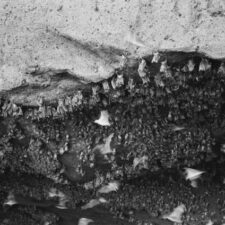
Bat colony in residential attic with safe exclusion methods and Georgia bat laws

Discovering bats in your attic is unsettling. The scratching and chirping, the smell of accumulated guano, and the knowledge that dozens — sometimes hundreds — of flying mammals are roosting inches above your bedroom ceiling understandably prompts an urgent desire to act. But bat removal in Georgia involves legal restrictions and timing constraints that make it very different from dealing with raccoons or squirrels. Acting too quickly, or at the wrong time of year, can land you in legal trouble and actually make the problem worse.

Georgia’s Bat Species and Their Legal Protections

Georgia is home to 16 bat species, and all of them are protected under state wildlife regulations. Several species — including the Indiana bat, the northern long-eared bat, and the gray bat — carry additional federal protections under the Endangered Species Act. It is illegal to kill, poison, or harm any bat species in Georgia, and doing so can result in substantial fines.

The maternity season restriction is the most critical legal and practical consideration. Female bats gather in maternity colonies in spring to give birth and raise their pups. A typical colony in a residential attic may contain 20 to 200 individuals. Sealing entry points during this period traps flightless pups inside your attic, where they die — creating a decomposition and biohazard problem that dwarfs the original bat issue.

Identifying a Bat Colony in Your Attic

The most reliable way to confirm a bat colony is to watch your roofline at dusk. Bats emerge shortly after sunset to feed, and even a small colony produces a visible stream of bats leaving through one or two exit points. Common exit locations include gaps at the ridge vent, openings where soffit meets fascia, unsealed gable vents, and gaps around chimney flashing.

Inside the attic, bat guano is the definitive indicator. Bat droppings are small, dark, and pellet-shaped, similar to mouse droppings but with a key difference: bat guano crumbles to a fine powder when pressed, revealing the shiny fragments of insect exoskeletons. Mouse droppings remain firm. Guano accumulations also produce a distinctive musty, ammonia-like odor that intensifies in summer heat.

The Exclusion Process

Bat exclusion follows the same one-way principle used for squirrel removal, but the devices and techniques are species-specific. Bats can squeeze through openings as small as three-eighths of an inch, which means the sealing phase is far more demanding than it is for larger animals.

Step-by-Step Exclusion

Begin with a thorough inspection during daylight, identifying every potential opening along the roofline, eaves, and gable ends. Mark each point. At dusk, station yourself where you can watch the primary exit area and count the bats emerging. This gives you a rough colony size and confirms which openings are active.

Seal all secondary openings using caulk, steel wool, or expanding foam, depending on the size and location. Over the primary exit point, install a one-way exclusion device — typically a piece of polypropylene netting or a smooth PVC tube that allows bats to crawl out but prevents them from re-entering. Leave the exclusion device in place for a minimum of five to seven nights to ensure every bat has departed.

After the colony has fully vacated, remove the exclusion device and permanently seal the final opening. Inspect the attic for guano accumulation and assess whether professional cleanup is needed.

Health hazard: Bat guano can harbor Histoplasma capsulatum, a fungus that causes histoplasmosis when airborne spores are inhaled. Disturbing a large guano accumulation without proper respiratory protection (a HEPA-rated respirator, not a dust mask) is a serious health risk. If guano accumulation covers more than a few square feet, professional remediation is strongly recommended.

Why Bats Are Worth Protecting

A single little brown bat can eat up to 1,000 mosquitoes in an hour. A colony of 200 bats roosting in your attic was consuming an enormous volume of insects every night — including mosquitoes, moths, beetles, and agricultural pests. The economic value of insect suppression by bats in the United States has been estimated in the billions of dollars annually.

Rather than viewing bats as invaders, consider offering them an alternative home. Installing a bat house on your property gives evicted bats a place to roost without re-entering your attic. Mounted 12 to 15 feet high on a pole or building face with a southern exposure, a well-designed bat house can attract a colony within one to two seasons — giving you the insect-control benefits without the attic damage.

Connecting the dots: Bats are one piece of a larger ecosystem that includes the raptors, opossums, and snakes that keep pest populations in check across Atlanta and the Southeast. Humane removal is not just about being kind to animals — it is about preserving the natural pest control infrastructure that protects your property, your garden, and your family’s health. Every species removed from the equation shifts the burden to the remaining players, and eventually the math stops working. Conservation and practical homeownership are not competing priorities. They are the same priority, viewed from different angles.

Squirrels in Your Walls: Signs, Damage Risks, and Humane Eviction Methods

Gray squirrel sitting on a wooden railing near a house

It starts as a faint scrabbling sound behind the drywall, usually around sunrise. Within a few days, the scrabbling becomes chewing — a persistent, rhythmic gnawing that sounds alarmingly close to your electrical wiring. Because it often is.

Squirrels rank among the most destructive wildlife species to invade residential structures, not because they are aggressive, but because they chew constantly. Their incisors grow continuously throughout their lives, and gnawing on hard surfaces keeps those teeth at a manageable length. When that hard surface happens to be your wiring, PVC plumbing, or structural framing, the damage adds up fast.

How Squirrels Get Into Your Walls

Eastern gray squirrels — the species most common across Georgia and the Southeast — are extraordinary climbers and surprisingly flexible. An adult squirrel can squeeze through a hole the size of a baseball. They typically enter homes through gaps at the roofline where fascia meets soffit, through unscreened gable vents, or through construction gaps around plumbing and HVAC penetrations.

Once inside the attic, squirrels often travel down wall cavities to access lower levels of the home. This is how they end up “in the walls” — they are using the space between your interior drywall and exterior sheathing as a highway between the attic and the ground floor.

Squirrel climbing the side of a wooden house

Signs You Have Squirrels (Not Mice or Rats)

Squirrel activity follows a predictable daily pattern that sets it apart from rodent infestations. Gray squirrels are diurnal — most active in the first two hours after sunrise and the last two hours before sunset. If you hear scratching and running during these windows but silence at night, squirrels are the likely culprit. Mice and rats, by contrast, are primarily nocturnal.

Other telltale signs include chewed entry holes with rough, splintered edges (rats leave smoother, more circular holes), scattered nutshell fragments or acorn caps in the attic, and nesting material made of shredded insulation, leaves, and bark. Squirrel droppings resemble small dark pellets similar to rat droppings but are typically found in scattered clusters rather than concentrated runs.

The Humane Eviction Process

The gold standard for humane squirrel removal is a one-way exclusion door. This is a device — commercially available or DIY — that mounts over the primary entry hole and allows squirrels to exit but not re-enter. The principle is simple: the squirrel pushes through a hinged flap or funnel to leave and cannot navigate back through from the outside.

Step 1 — Full Inspection

Inspect the entire roofline, soffit, and gable vents to identify every entry point. Mark each one. You will seal all secondary holes first and leave the one-way door on the primary hole.

Step 2 — Seal Secondary Openings

Close every entry point except the main one using galvanized steel mesh or sheet metal. Do not use caulk, foam, or plastic — squirrels will chew through all three within hours.

Step 3 — Install One-Way Door

Mount the exclusion device securely over the primary opening. Ensure the squirrel has a clear path out and that the device is positioned so gravity or spring tension keeps it closed from the outside.

Step 4 — Wait and Monitor

Leave the one-way door in place for a minimum of five days. Monitor for activity. If you still hear squirrels after five days, you may have missed an entry point — re-inspect.

Step 5 — Seal the Final Hole

Once activity has ceased for at least 72 hours, remove the one-way door and permanently seal the last opening with steel mesh secured by screws.

Watch for Babies

Squirrels in Georgia have two breeding seasons: late winter (January–February) and midsummer (June–July). If you are evicting squirrels during either window, check the attic carefully for a nest with young. Baby squirrels are unable to leave on their own until they are roughly eight weeks old. If a nest is present, delay eviction until the juveniles are mobile — or contact a professional wildlife operator who can reunite the family outside.

Fire risk: Squirrels chewing on electrical wiring are a documented cause of house fires. If you see any evidence of chewed wiring in your attic — exposed copper, melted insulation, or scorch marks — call an electrician before proceeding with eviction. The wildlife problem is urgent, but an electrical fire is an emergency.

Preventing Reinvasion

Squirrels are persistent. If the structural vulnerabilities that let them in the first time are not thoroughly addressed, they will return. Trim tree branches to maintain at least eight feet of clearance from your roofline — squirrels can leap six to eight feet horizontally. Replace rotted fascia and soffit boards. Install metal flashing over wooden edges that show gnaw marks.

For a broader approach to wildlife-proofing your home, the techniques overlap significantly with those used for raccoon exclusion and bat-proofing. A single comprehensive inspection and sealing job can address multiple species at once, which is both more cost-effective and better for the animals — fewer entry points mean fewer wildlife conflicts overall, which is the core idea behind humane wildlife management.

Humane Snake Removal for Georgia Homeowners: Species ID and Safe Relocation

Non-venomous snake coiled on forest floor

Finding a snake on your property triggers a primal response in most people. The instinct is to grab a shovel. But in Georgia — where 46 native snake species play critical roles in controlling rodent and insect populations — that shovel swing can do more ecological harm than good. And in most cases, the snake you are looking at is not dangerous at all.

Only six of Georgia’s 46 species are venomous. That means roughly 87 percent of snake encounters involve a harmless animal that is actively benefiting your property by eating the mice, rats, and insects you do not want. Knowing how to tell the difference, and how to relocate a snake safely, puts you ahead of almost every homeowner in the state.

Georgia’s Six Venomous Species at a Glance

Eastern Copperhead

Hourglass-shaped crossbands in copper and tan. Found statewide. The most common venomous snake encountered in residential areas.

Timber Rattlesnake

Dark crossbands on a gray or yellowish body. Prominent rattle. Found in forested areas across northern and central Georgia.

Eastern Diamondback Rattlesnake

Large diamond-shaped patterns. Georgia’s largest venomous snake. Found primarily in the Coastal Plain.

Pygmy Rattlesnake

Small, 15–20 inches. Tiny rattle barely audible. Dark blotches on gray. Found in the Coastal Plain and Piedmont.

Cottonmouth (Water Moccasin)

Heavy body, dark coloring. Opens mouth to reveal white interior when threatened. Found near water in the Coastal Plain.

Eastern Coral Snake

Red, yellow, and black bands. “Red touches yellow, kill a fellow.” Rare and reclusive. Found in sandy habitats in southern Georgia.

Safe Identification Without Getting Close

The old advice about head shape — “triangular heads mean venomous” — is unreliable. Many non-venomous snakes flatten their heads defensively to appear triangular. A more reliable approach is to photograph the snake from a safe distance of at least six feet and compare the image to a Georgia snake identification guide. The Georgia DNR maintains a free online tool, and most county extension offices can identify snakes from a clear photo.

Safety first: Never attempt to handle a snake you cannot positively identify. Even non-venomous snakes can bite, and bites from large species like rat snakes can require medical attention due to infection risk. Keep children and pets away from any unidentified snake.

Snake in grass near a garden border

Humane Removal Techniques for Non-Venomous Snakes

If you have positively identified a non-venomous snake and it is in an area where it needs to be moved — inside your garage, in a window well, or near a children’s play area — the safest removal method for beginners is a large plastic trash can and a broom. Gently guide the snake into the can using the broom, then cover the top with a board or lid. Relocate the snake to a wooded area at least a quarter mile from your home.

Commercial snake tongs and snake hooks are also effective humane removal tools that allow you to maintain distance from the animal. These are inexpensive and worth keeping in your garage if you live in an area with regular snake activity.

What About Venomous Snakes?

Do not attempt to handle, trap, or relocate a venomous snake yourself. Back away slowly, keep visual contact with the snake if possible, and call a licensed wildlife removal operator or your local animal control agency. In Georgia, it is legal to kill a venomous snake on your property, but relocation is almost always the better option — both for the ecosystem and for your safety, since most snakebites occur when people attempt to kill or handle the snake.

Professional wildlife operators carry specialized equipment and have the training to handle venomous species safely. The cost of a single removal call is typically far less than a trip to the emergency room.

Making Your Property Less Attractive to Snakes

Snakes go where the food is. If your yard has a rodent problem, you have a snake attractant. Addressing the prey base is the most effective long-term snake deterrent — and it is far more reliable than any commercial snake repellent, most of which have shown limited effectiveness in controlled studies.

Keep grass mowed short. Remove brush piles, rock piles, and stacked firewood from the immediate perimeter of your house. Seal gaps beneath exterior doors with weather stripping, and close any openings in your foundation larger than a quarter inch. These habitat modifications work for virtually all nuisance wildlife, not just snakes.

The bigger picture: Snakes are among the most misunderstood animals in Georgia. A healthy snake population on your property means fewer rodents chewing through your wiring and fewer ticks carried by the mice those snakes eat. Before reaching for a shovel, consider what the snake is doing for you. Humane removal keeps the balance intact. And that balance ripples outward — the same prey-predator relationship that keeps your yard healthy supports raptors like red-tailed hawks that depend on a functioning food chain.

How to Humanely Remove Raccoons From Your Attic Without Orphaning Babies

Raccoon peering out from a dark space

The scratching starts at three in the morning. Heavy, deliberate footsteps across the ceiling, followed by a sound that can only be described as something large rearranging your insulation. If you have ever had raccoons in your attic, you know the dread. And if you are reading this at three in the morning right now, you are not alone.

Raccoons are one of the most common attic invaders across the Southeast, and metro Atlanta is a hotspot. Female raccoons seek out warm, dark, elevated spaces to birth and raise their kits — and your attic checks every box. The challenge is that removing a mother raccoon without accounting for her babies can lead to orphaned kits dying inside your walls, creating a far worse problem than the one you started with.

Confirm You Are Dealing With Raccoons

Before you set a single trap or seal a single hole, you need to confirm the species. Raccoons leave distinctive signs that separate them from squirrels, rats, or opossums. Their droppings are tubular, roughly two to three inches long, and often deposited in a communal “latrine” — a single spot in the attic where waste accumulates. Raccoon tracks show five toes on both front and rear feet, with the rear print resembling a small human handprint.

The noise pattern also helps. Raccoons are primarily nocturnal and heavy enough to produce clear thumping sounds. Squirrels, by contrast, are lighter and most active during early morning and late afternoon. If the heavy movement is happening between sunset and sunrise, raccoons are the most likely culprit.

Timing Matters More Than You Think

Raccoon birthing season in Georgia runs roughly from March through May, though late-season litters can arrive into June. If you discover a raccoon in your attic during this window, assume there are babies. Kits are born blind, deaf, and completely dependent on their mother for the first eight to ten weeks. Trapping the mother and relocating her without her babies is essentially a death sentence for the young.

Critical timing: If you hear raccoon activity between March and July, do not seal entry points until you have confirmed whether babies are present. A mother raccoon separated from her kits will cause significant structural damage tearing her way back in — and the kits will die of dehydration within days if she cannot reach them.

Baby raccoons huddled together in a dark enclosed space

The Humane Eviction Method

The most effective and humane approach is called “eviction” rather than “removal.” The goal is to make the attic so unpleasant that the mother raccoon voluntarily relocates her family. This involves a combination of light, sound, and scent that disrupts the den environment without harming the animals.

Start by placing a bright work light, a battery-powered radio tuned to a talk station, and a rag soaked in apple cider vinegar near the den site. The combination of constant light, human voices, and a pungent smell makes the raccoon feel exposed and unsafe. In most cases, a mother raccoon will begin moving her kits to an alternate den within one to three nights.

Sealing Entry Points After Eviction

Once you are confident the animals have left — and you should wait at least three full days of zero activity to be sure — seal every entry point with heavy-gauge galvanized hardware cloth or sheet metal. Raccoons are remarkably strong and can tear through chicken wire, expandable foam, and lightweight screening. Every potential opening needs to be secured, including soffit vents, ridge vents, roof-to-wall joints, and plumbing stack flashings.

Inspect the entire roofline, not just the obvious hole. Raccoons often exploit multiple entry points, and sealing only one sends them to the next. Having the right tools on hand before you start makes the job dramatically easier.

When Professional Help Is the Right Call

If the raccoons have been in your attic long enough to establish a latrine, professional remediation may be necessary. Raccoon feces can harbor Baylisascaris procyonis, a roundworm whose eggs become airborne when droppings dry and crumble. Inhaling those eggs can cause severe neurological damage in humans. Proper cleanup requires a HEPA-rated respirator, disposable coveralls, and enzyme-based disinfectants — equipment most homeowners do not have on hand.

There is no shame in calling a licensed wildlife control operator for a raccoon job. In fact, knowing when to bring in a professional is one of the smartest decisions you can make. A good operator will remove the family intact, seal your structure, and sanitize the attic in a single visit.

Remember: Raccoons are a natural part of the ecosystem. They disperse seeds, control insect populations, and serve as prey for larger predators like coyotes. The goal is not to eliminate them from your neighborhood — it is to keep them out of your living space while allowing them to thrive in their natural habitat. That philosophy is at the heart of humane wildlife removal.

The Benefits of Bees for the Environment

Bees are often recognized for their role in producing honey, but their contributions to the environment extend far beyond this sweet treat. These small yet mighty insects are essential to the health and sustainability of ecosystems worldwide. The benefits of bees for the environment are numerous, ranging from pollination to biodiversity support, making them indispensable to both natural habitats and human agriculture.

Pollination: The Cornerstone of Ecosystems

One of the primary benefits of bees is their role as pollinators. Bees transfer pollen from one flower to another, facilitating the reproduction of many plants. Fruits, vegetables, and nuts all depend on this process for growth. In fact, bees pollinate about 75% of the world’s flowering plants and approximately 35% of global food crops. Without bees, the production of crops such as apples, almonds, and blueberries would significantly decline, leading to reduced food availability and increased prices.

Supporting Biodiversity

Bees contribute significantly to biodiversity. By pollinating a wide variety of plants, they support the growth of diverse plant species, which in turn provides habitats and food for other organisms. A rich plant diversity creates a stable environment that can support a wide array of wildlife, from insects and birds to mammals. This intricate web of life is vital for ecosystem resilience, enabling ecosystems to withstand and recover from environmental stresses such as climate change and disease outbreaks.

Soil Health and Erosion Control

Bees indirectly contribute to soil health and erosion control. Plants that rely on bees for pollination often have extensive root systems that help bind the soil together, reducing erosion. Additionally, healthy plant growth improves soil structure and fertility by contributing organic matter through leaf litter and root decay. This enhances the soil’s ability to retain water and nutrients, promoting a more sustainable and productive environment.

Promoting Genetic Diversity

Through their pollination activities, bees help to promote genetic diversity among plants. As bees move from flower to flower, they mix the genetic material of different plants, leading to more resilient plant populations. Genetic diversity is essential for plants to adapt to changing environmental conditions and to resist pests and diseases. This diversity ensures long-term survival and adaptability of plant species, which is crucial for maintaining ecosystem stability. Additionally, the use of humane animal removal tools ensures that bees and other pollinators are safely relocated when necessary, preserving their vital role in promoting genetic diversity within ecosystems.

Economic Value

The economic value of bees extends beyond their environmental benefits. The agricultural industry relies heavily on bees for pollination services, which are estimated to be worth billions of dollars annually. Many crops that form the backbone of global food supply chains depend on bees. The decline in bee populations could therefore have severe economic consequences, affecting food prices, agricultural productivity, and livelihoods.

Environmental Indicators

Bees also serve as important environmental indicators. The state of the ecosystem as a whole is reflected in their health. Bee population decreases frequently portend larger environmental problems including pollution, habitat loss, and climate change. Monitoring bee populations can thus provide early warnings of environmental degradation, prompting necessary conservation efforts to protect ecosystems.

Conservation Efforts

Recognizing the importance of bees, various conservation efforts have been initiated worldwide. These include creating bee-friendly habitats, reducing pesticide use, and supporting sustainable farming practices. Urban beekeeping has also gained popularity, with cities establishing apiaries in parks, rooftops, and gardens to boost bee populations. Education and awareness campaigns are crucial in encouraging individuals and communities to take action in protecting these vital pollinators.

Conclusion

The benefits of bees for the environment are profound and multifaceted. They are essential pollinators that support food production, biodiversity, soil health, and genetic diversity. Moreover, they provide significant economic value and act as environmental indicators. Protecting and preserving bee populations is not only crucial for maintaining healthy ecosystems but also for ensuring the sustainability of human agriculture and food security. By recognizing and supporting the vital role of bees, we can contribute to a healthier, more balanced environment for all living organisms.

How to Safely Remove a Bee Hive

Bees are vital pollinators in our ecosystem, but their hives can sometimes pose a risk if they are located too close to human activities. Safely removing a bee hive requires careful planning, the right equipment, and knowledge of bee behavior to ensure both human and bee safety. Here is a step-by-step guide on how to safely remove a bee hive.

Step 1: Assess the Situation

Before taking any action, assess the situation to determine the type of bees you are dealing with. Honeybees are generally less aggressive compared to wasps or hornets. Identifying the bee species can help you decide the best approach for removal. If you are unsure, it’s advisable to contact a professional beekeeper or pest control service.

Step 2: Wear Protective Gear

Safety is paramount when dealing with bees. Wear protective clothing, including a bee suit or heavy clothing that covers your entire body, gloves, and a bee veil or hat with netting to protect your face and neck. This gear will minimize the risk of stings.

Step 3: Choose the Right Time

Bees are less active during the early morning or late evening when temperatures are cooler. Choosing these times for hive removal can reduce the likelihood of agitating the bees. Avoid removal during the middle of the day when bees are most active.

Step 4: Gather Necessary Equipment

You’ll need the following tools and equipment for safe hive removal:

  • Bee smoker: A smoker helps to calm the bees by masking their alarm pheromones.
  • Hive tool: A flat metal tool used to pry apart hive components.
  • Large box or container: To relocate the hive if necessary.
  • Ladders or scaffolding: If the hive is located at a height.

Step 5: Use a Bee Smoker

Light the bee smoker and direct the smoke towards the hive entrance. Smoke causes bees to become less aggressive and more docile. This will make the removal process safer and more manageable.

Step 6: Remove the Hive

Using the hive tool, carefully detach the hive from its location. Be gentle to avoid crushing any bees. If the hive is inside a structure, you may need to open walls or other barriers to access it. Place the hive into the large box or container for relocation.

Step 7: Relocate the Hive

If you are planning to relocate the hive rather than destroy it, choose a suitable new location. This should be a safe distance from human activity and provide a good environment for the bees to thrive. Contact a local beekeeper for advice on the best relocation practices.

Step 8: Clean the Area

After removing the hive, clean the area thoroughly to remove any remaining honeycomb and bee attractants. Bees are likely to return if traces of their hive remain. Use a mixture of water and vinegar to clean the site, as this helps to mask the hive’s scent.

Step 9: Monitor for Return

Monitor the area for a few weeks to ensure that the bees do not return. If you notice any bees attempting to rebuild, repeat the cleaning process and consider using bee repellents or professional services.

Step 10: Contact Professionals if Needed

If at any point you feel unsure or unsafe, do not hesitate to contact professional pest control or beekeeping services. Professionals have the expertise and equipment to handle bee hive removals safely and effectively.

Conclusion

Removing a bee hive can be a daunting task, but with the right approach and equipment, it can be done safely. Always prioritize your safety and the well-being of the bees. Remember that bees play a crucial role in our ecosystem, so whenever possible, aim to relocate rather than exterminate.

Wildlife and Humane Removal

Killing wildlife for ending up in your home isn’t humane at all.

A few things to consider when relocating an animal is does the animal have babies? Make sure that you’re not orphaning young. If you want your home less appealing to wildlife you need to remove food, water and shelter so your home is less enticing. Make sure you have tight fitting lids on trash cans. Make sure you don’t have standing water. It’s even a good idea to make sure your house has no cracks or holes wildlife can sneak through. You will also find allot of different repellents for almost every animal I listed. I have researched these repellents to find they’re not that productive. If you choose to use a repellent it would benefit you more to spray daily if you’re using them outside, since the climate can affect the potency of the repellent. I would strongly discourage poison. Poison can be eaten by children and other pets resulting in death. If you have a rodent problem I would stay away from the traps that kill. Do you really want decaying bodies laying around your house?
Always remember after removing the wildlife to clean all feces and urine.

Glue traps are incredibly inhumane and also dangerous for humans. Glue traps leave animals stuck for a slow painful death. Reasons to humanely remove animals are because they all serve a purpose in the ecosystem and killing them throws that out of balance and can cause other wildlife to become over populated. If you have a rat or mouse problem and you kill a snake, your mouse problem will get worse. Think about it. These animals are looking for food and find it on your property, you destroy one making the other multiply. snakes eat mice and chickens. Bats and spiders eat insects. Raccoons and opossums are attracted to trash. squirrels like seeds and corn. Birds like seeds and worms. Hawkes like snakes and worms.

Wildlife can be entertaining to watch.

I love the daily visits i get from the deer in my back field, watching the doe look after her baby while they eat and he plays, and the little hummingbird that comes right up to me now that she seems to know I’m not a threat. People seem to really enjoy seeing wildlife, otherwise we wouldn’t have zoos. I even enjoy taking my children bird watching and feeding the ducks and fish at the local marina. It can be scary and a nuisance when you have wildlife like raccoons and opossums moving in. My best friend started feeding the raccoon that was invading our dumpster. This turned out to be a very bad idea, since the raccoon started coming on the porch and right up to her. I even had a large raccoon at an old house that climbed into the shower wall.

I saw how the raccoon was getting under the house and tried to block it off with a brick. In the end we had someone come out who through mothballs under the house where the raccoon was entering. When I got up the next morning the raccoon had moved all the mothballs onto the porch. Next step was humane removal, the raccoon was caught in a trap and taken but not before it created some damage under our bathroom. People from all over the world visit wild life reserves like Yellowstone national park in Wyoming, which spans over three thousand miles. Vancouver island in Canada. Khao Sok national park in Thailand. Amazon rain forest which is half the rainforest in the world and the perfect place to experience wildlife in it’s natural habitat. Barbados has a wildlife reserve that’s different from your average zoo, they let you roam freely through the reserve and watch the animals. Kafue national park in Africa. This is one of Africa’s biggest national parks with parts still not ventured.

Happy Humane Wildlife Removal Stories

There was a story on the news about a storm blowing over a tree with a four foot beehive by a school, the students got to see the bees and hive while experts came and removed the hive and bees without injury. A woman had a bat in her living room so she called the police. the officer showed up and was swinging a tennis racket at the bat, luckily animal control showed up and safely removed the bat before the officer got him with the tennis racket. The weather channel had a story last week about a Florida woman who looked up from her phone to see a bear right in front of her, she took pictures and text her son who scared the bear away.

The weather channel also featured a story about a bald eagle who was rescued after being injured during hurricane Hermine and is doing well with treatment and expected to be released back into the wild. A 450 pound alligator was captured near a middle school, they say the gator was hanging around because people were feeding it. By Yellowstone national park a man watched a doe with two fawns, one of the fawns had an injured leg and was eventually left behind. This man took the doe in and nursed it back to health and him and his dog became very close to this little fawn. This man plans to reunite the fawn with it’s mother. There is a video on youtube of a goat with it’s leg stuck underwater and a pig swam out and saved this goat.

A woman who noticed a kitten on a busey intersection jumped off her bike and ran out to save the little feline.A baby fox had gotten tangled in a soccer net and was strangling wildlife aid rescuers cut him free. Michigan humane society rescued a puppy who had been stuck in a underground pipe all night. David Sheldrick wildlife trust rescued a baby elephant who fell down a well in Kenya and was greeted on the plain by two rescued baby ostriches. In 2015 fox 4 news aired a story about a great pyrenees who stood over his deceased dog friend on the side of the road in Dallas. This is such a sad story that would makes anyone cry and realise these animals have feelings the same as we do. A life taken is a life taken no matter the species, the Bible say’s it best “do unto others as you would want done unto you”. I would extend that to all of Gods creatures.